
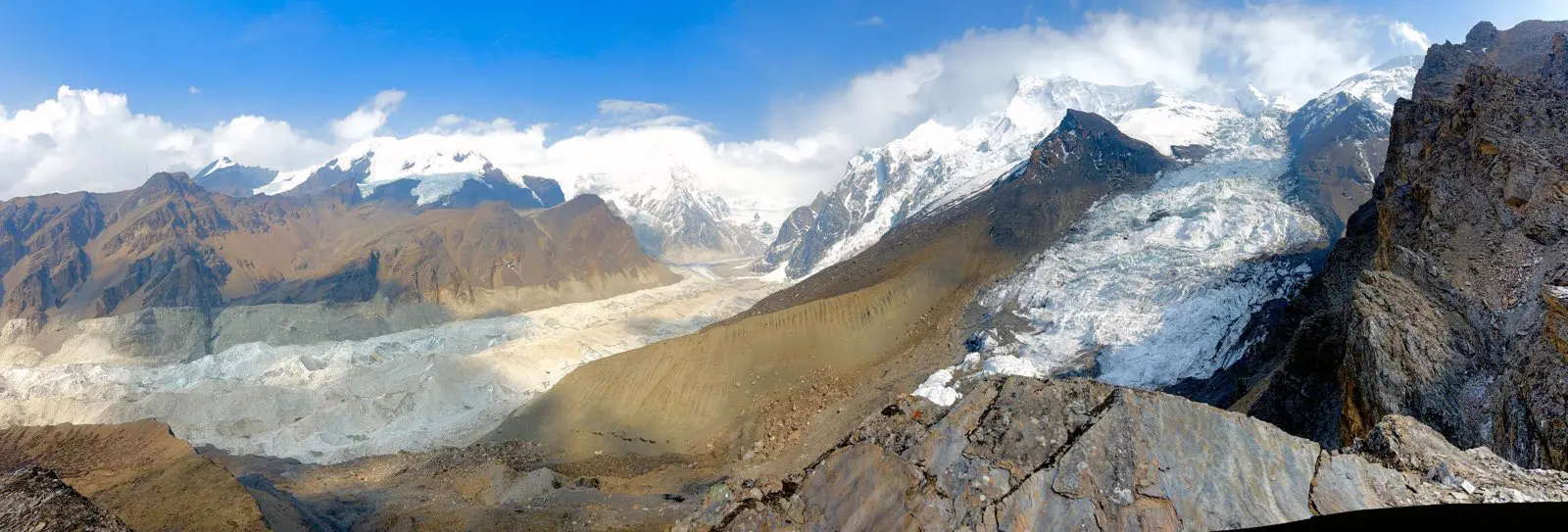
Tourism is a major economic sector: it accounted for roughly 6–7% of GDP (about $2.2 billion) in 2019 (World Bank, 2022) and supports over 1 million jobs (≈6.7% of employment) (World Bank, 2022) . Arrivals have rebounded after COVID-19 – 1,014,876 foreign tourists visited in 2023(Pradhan & Koirala, 2024), placing Nepal around 147th globally in tourist numbers. In mid-2025 the sector showed strong growth (13% year-on-year)(Sharma, 2025). Sharma (2025) wrote in My Republica Nagarik Network that tourism revenues increased from Rs 72.45 billion in 2023 to Rs 83.39 billion in 2024. Key attractions driving this positioning include Nepal’s Himalaya (eight of the world’s ten highest peaks) and rich cultural heritage. About 45% of visitors come for natural scenery (mountains, rivers, forests)(World, 2022); protected areas cover ≈20% of Nepal’s land and draw many travelers. In short, Nepal is established as a niche adventure and cultural destination with solid contributions to national income.
- Key Facts (2024): ~1.15 M foreign arrivals (13%↑); tourism earnings ≈Rs 83.4 B (15%↑); 6.7% of GDP and 6.7% of jobs.
- Main Markets: India (28%), USA (10%), China (9%), UK, Bangladesh and Australia follow.
- Tourist Motivations: Leisure/holiday (≈60% of arrivals), pilgrimage (15%), adventure/mountaineering (14%.
Tourist Demographics and Market Segments
Tourist profile skews toward adventure and cultural travelers. Many come for trekking, climbing and wildlife safari – adventure tourism is centered on the Himalayas (Everest, Annapurna, etc.) and national parks. A significant share are religious or cultural tourists visiting Lumbini, Kathmandu’s temples and pilgrimage sites. n 2023, the average length of stay for tourists in Nepal was 13.2 days, with an average daily spending of USD 41 per tourist. In 2024, these figures saw a slight shift, with the average stay increasing to 13.3 days and daily spending marginally decreasing to USD 40.8. Notably, most foreign visitors tend to stay for approximately two weeks and spend modestly, averaging around USD 40–41 per day.
- Age/Gender: Historically more male-dominated; the largest group has been ages 46–60 (peaking at ~305k arrivals in 2019). Seasonality is strong (peaks in Oct–Nov and March–April).
- Growing Segments: Domestic tourism is on the rise (discussed below). Some niche markets (e.g. eco-tours, cycling, voluntourism) are emerging, but traditional “trekking/culture” packages still dominate. The Tourism Area Life-Cycle suggests these core products are in the consolidation/maturity phase: Nepal risks stagnating as a “low-value mass tourism” destination unless it innovates(World Bank Group, 2022).
Domestic Tourism and Sustainability
Despite the lack of robust data and reliable infrastructure from the government, these figures—if properly recorded and supported—could be game changers for Nepal’s tourism sector. Domestic tourism, particularly during festivals, has seen a remarkable rise. It is estimated that around 3 million Nepalis travel as tourists within the country each year—roughly three times the number of foreign visitors. Domestic tourists significantly boost local economies: they can occupy ~10–30% of hotel rooms, and their spending helps farmers, artisans and businesses in destination areas. Recognizing this, government and industry are promoting “Nepalese tourism” policies to encourage internal travel.
- Local Impact: Nepali tourists now explore beyond Kathmandu and Pokhara, visiting hill stations, religious sites, and natural areas from Ilam (east) to Khaptad (west). Their spending on lodging, food and goods bolsters rural livelihoods.
- Sustainability Note: Domestic tourism is seen as more sustainable in terms of retaining economic benefits locally. However, Nepali travelers demand better infrastructure: improved roads, traffic management and reduced pollution are frequently cited as priorities. Boosting domestic tourism sustainably requires upgraded transport and tourist facilities in all regions.
Tourism and Poverty Alleviation
Tourism is explicitly viewed as a tool for poverty reduction in Nepal. Many of the country’s poorest people live in remote mountain and forest areas – the very areas where tourism activities (trekking, rafting, wildlife tours) are concentrated. By bringing visitors and infrastructure to these regions, tourism can create jobs and income. World Bank analysis shows that tourism in protected areas disproportionately benefits local communities: for example, each visitor to Chitwan National Park contributes on average ≈US 84,000 annually to local household income, and protected-area tourism generates thousands of jobs. Overall, about 80% of tourism jobs are in Nepal’s more remote and resource-constrained regions.
- Pro-Poor Initiatives: Programs like the UNDP-led Tourism for Rural Poverty Alleviation (TRPAP) have worked to engage rural communities in tourism planning and enterprises(Undp, 2025). These models emphasize “pro-poor” approaches (e.g. community lodges, local guides, micro-ventures) so that benefits reach lower-income groups.
- Equity Challenges: Nevertheless, studies note that Nepal’s tourism yields relatively low per-visitor spending (around US$48/day in 2019 and much of the revenue goes to outside-owned companies. The sector’s infrastructure (trails, lodges, services) remains underdeveloped, limiting multiplier effects. Experts argue Nepal must upgrade to high-value tourism (better facilities, higher-end packages) and enforce policies (e.g. local purchasing) so that tourism growth translates into higher local incomes.
Workforce Development and Training
A large tourism workforce is emerging, supported by training institutions and numerous service providers. Nepal’s Nepal Academy of Tourism and Hotel Management (NATHM) alone has produced over 28,200 trained tourism and hospitality professionals to date. Similarly, Nepal Mountain Academy (NMA) has been instrumental in developing skilled professionals in mountaineering, adventure tourism, and mountain science, combining academic education with practical high-altitude training to support Nepal’s growing mountain tourism sector. In addition, by mid-2025 there were about 4,963 registered travel agencies and 3,252 trekking agencies nationwide, along with 5,269 licensed tour guides and 27,128 trekking guides(Sharma, 2025). Hotel capacity is also growing (five-star rooms up 18%, overall beds up ≈8% year-on-year).
- Skill Profile: Despite this, multiple reports flag a shortage of skilled labor in tourism. Much of the workforce is entry-level (guides, porters, service staff) rather than professionally trained managers or conservation experts. For example, a 2022 World Bank feature notes that a lack of well-trained hospitality and nature-tourism personnel is constraining the sector. Nepali tourism education is improving skill levels, but further emphasis on quality (language, eco-management, customer service) is needed.
- Career Impact: A positive sign is expanding career paths: dozens of new hotels and casinos have opened, and tourism education is now a mainstream discipline. Continued investment in vocational training, apprenticeships, and re-skilling (especially for women and rural youth) is widely seen as vital to professionalize the industry.
Infrastructure, Centralization and Lifecycle Phase
To date, Nepal has four designated international airports—Tribhuvan International Airport in Kathmandu, Gautam Buddha International Airport in Bhairahawa, Pokhara International Airport in Pokhara, and the under-construction Nijgadh International Airport—but many of these are not yet fully operational due to various challenges, including limited infrastructure and connectivity issues at Tribhuvan International Airport. Many trek and safari destinations lack reliable roads or internal air links, making them accessible only by long drives or small planes. A 2019 study notes “poor tourism infrastructures” and “aviation infra scarcity” as major constraints(Batala et al., 2019). Within cities and heritage zones, municipal services (waste, traffic, sanitation) are often strained by visitors.
- Centralization: Much of Nepal’s tourism planning and investment remains Kathmandu-centric (major agencies, airlines, hotels are based in the capital). This concentration, coupled with weak coordination among agencies, means some regions (Far West, Mid-West) see little tourism development. Experts highlight “dysfunctional collaboration among key stakeholders” and outdated vision as institutional barriers. Decentralized marketing and infrastructure (e.g. smaller airports, improved highways) are needed to open new destinations.
- Lifecycle Stage: Many of Nepal’s main tourism products are at a maturity/stagnation phase. Visitation to top attractions (Everest Base Camp, Pokhara, Chitwan/Lumbini, etc.) is high, but growth has slowed and per-capita spending is low. Thus operators often “recycle” similar trekking and cultural tour packages. To avoid decline, Nepal must rejuvenate offerings – for instance by developing lesser-known natural parks and heritage sites. A World Bank report urges expanding beyond the four main parks and creating new sites (with reliable services) to attract more tourists and disperse economic gains.
- Sustainable Path: In summary, Nepal’s natural and cultural wealth offers a strong foundation, but realizing that potential sustainably requires better infrastructure and smarter planning. Strengthening rural lodges and trek routes, enforcing environmental standards, and innovating new products (e.g. agro-tourism, adventure sports beyond trekking) can refresh the destination’s appeal.